
Habits
How late is too late for coffee? Stop 9 hours before bed
A review of 24 caffeine studies found about 45 minutes less sleep, and a small trial found lost sleep even 6 hours before bed. Four ways to set a coffee cutoff.
Blog / Topic
74 articles about habit formation from the Habit Pixel blog.
Habits
A review of 24 caffeine studies found about 45 minutes less sleep, and a small trial found lost sleep even 6 hours before bed. Four ways to set a coffee cutoff.
Habits
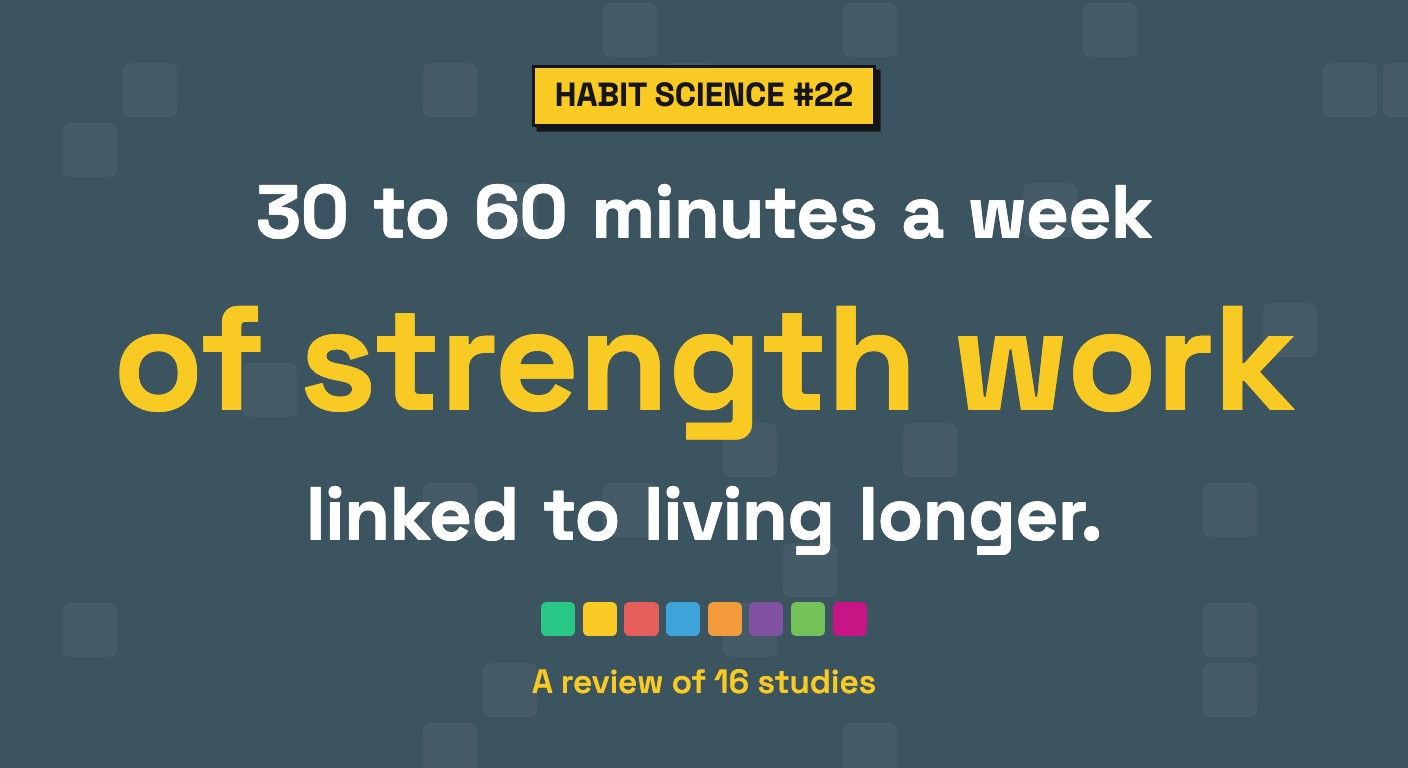
A review of 16 studies links a modest amount of strength training with a lower risk of death. Here is what it found, where it stops, and how to fit two short sessions into your week.

Habits
Small trials found a glass of water before meals helped dieters lose a little more weight. Here is what the studies show and how to build the habit.

Habits
Short, vigorous bursts of activity are linked with better fitness and health. Take the stairs fast, tie a burst to a cue, and let one minute count.

Habits
A move or a new job breaks the cues behind old habits. Research suggests the first few months are a good time to set up the routines you want.

Habits
In a large study, regular sleepers had a lower risk of death than irregular ones, and regularity predicted it better than sleep length. Four ways to keep your sleep steady.
Habits
After one slip, it is tempting to give up for the day. Research on dieting and procrastination suggests a kinder response helps you get back on track.

Habits
Loyalty-card studies found that a head start and a visible finish line helped people complete a goal. Count your progress, run short laps, and log today.
Habits
The 10,000-step goal began as a 1965 pedometer slogan. Large studies link about 7,000 steps a day with much lower health risks. Here is a step plan you can keep.

Habits
Research links self-control with useful habits and less resistance. Choose a repeatable routine, decide ahead, and avoid a fight where you can.

Habits
Turn a picture of success into a plan for the obstacle. Try wish, outcome, obstacle, and an if-then response, with the research in perspective.

Habit Formation
One small study favoured mornings. A larger trial points to repeating your habit after a reliable cue. Choose a time you can return to.

Habits
Exercise studies suggest a partner a little ahead can help you persist. Choose someone within reach, make it a team, and book a session together.

Habits
Enjoyment helped people persist in exercise studies. Choose a version you want to repeat, and keep the evidence in perspective.

Habit Formation
Use an existing routine as the cue for a small new action. Try the “After I…, I will…” recipe and choose a stack you can practise today.

Habits
New weeks, birthdays, and other landmarks can prompt a fresh start. Choose one habit and plan the first attempt before the date arrives.

Habits
A review of 138 studies found that monitoring progress helped people reach goals. Keep a simple record, review it, and consider sharing it.

Habits
Across 94 tests, if-then plans helped people reach goals. Write a time, a place, a small action, and a response to the obstacle you expect.

Habit Formation
Research found a typical habit formation time of 66 days, with wide variation. Choose a small action, repeat it, and return after a missed day.

Behavior Change
A short bout of gentle movement first thing in the morning is a powerful way to shake off grogginess, improve energy, and prepare your body for the day. Just a few minutes of stretching or light exercise gets your blood flowing and combats the stiffness that builds up overnight.

Habit Formation
Getting morning sunlight is a powerful way to enhance energy, improve mood, and regulate sleep cycles, as it helps to stop melatonin production and sets your body's internal clock. By incorporating this practice into your daily routine through habit stacking, you can effortlessly reap the benefits of natural light.

Behavior Change
Starting your day with a glass of water is crucial for rehydrating your body after a long sleep, boosting alertness, and kickstarting your metabolism. By keeping water within easy reach and making it the first thing you do in the morning, you can effortlessly enhance your energy levels for the day ahead.

Habit Formation
Making your bed is a quick yet powerful way to cultivate discipline and set a productive tone for your day, creating an immediate sense of accomplishment. This small action not only fosters a tidy environment but also serves as a reminder that attention to detail is essential for success in all areas of life.

Behavior Change
Breaking the snooze-button habit by relocating your alarm can transform your mornings from chaotic to calm, allowing you to reclaim control and reduce stress. By committing to the No-Snooze Challenge for one week, you’ll experience a more intentional and energized start to your day.

Habit Formation
Establishing a consistent wake-up time is crucial for enhancing sleep quality and boosting energy levels throughout the day. By anchoring your morning routine with this simple habit, you can create a foundation for a more productive and fulfilling life.

Behavior Change
Establishing a new habit is most effective when done daily at the beginning, as this repetition helps make the behavior automatic. By starting with a tiny version of the habit, you can build consistency and embed it deeply in your routine.

Habit Formation
As an author, I emphasize the importance of gradually increasing the challenge of habits after mastering the initial small steps. By following a slow and deliberate approach, one can sustain and grow these habits without overwhelming themselves.

Behavior Change
Celebrating small wins is essential for habit formation, as it creates positive emotions that reinforce our actions. By acknowledging each step, no matter how tiny, we build the motivation needed to sustain our new habits over time.

Habit Formation
As an author, I emphasize the importance of proactively planning for obstacles in order to build resilient habits. By implementing "If-Then" coping strategies, individuals can maintain their commitment to new routines even when faced with unexpected challenges.

Behavior Change
By leveraging the concept of temptation bundling, I can effectively merge my "shoulds" and "wants" to make difficult habits more appealing. This strategy transforms chores into enjoyable activities, enhancing my motivation and creating positive associations with productive behavior.

Habit Formation
The Buddy System leverages daily check-ins with an accountability buddy to enhance personal commitment and support in building new habits. By fostering mutual responsibility, this approach transforms solitary endeavors into shared journeys of self-improvement.

Behavior Change
Going public with your habits can significantly enhance your motivation and accountability, transforming your goals into shared commitments. By inviting social support and pressure, you increase your chances of success and create a community around your journey.
Habit Formation
Tracking your habits from Day One is crucial for building momentum and reinforcing your new identity. Acknowledging even the smallest successes creates a powerful motivation to continue and solidifies your commitment to change.
Behavior Change
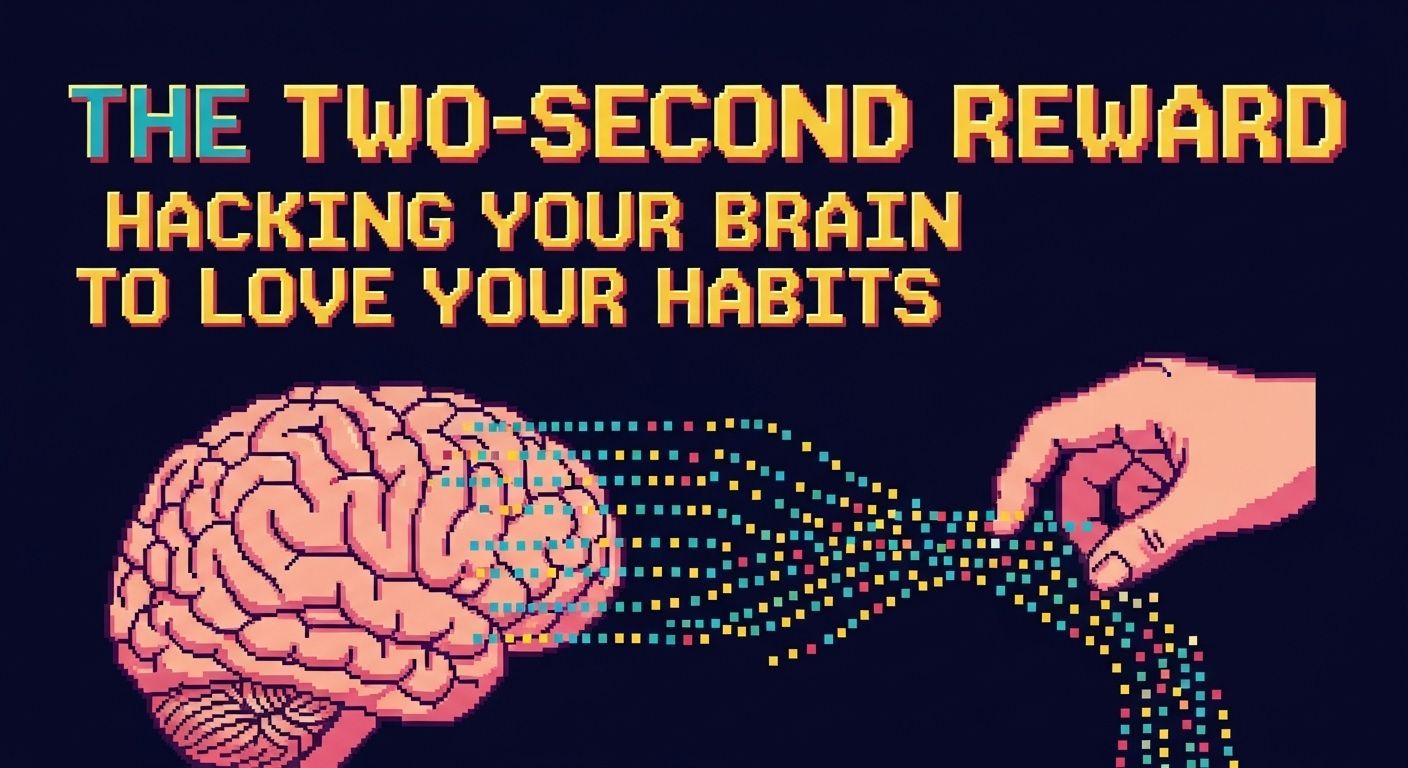
The key to forming good habits lies in the power of immediate rewards, which help train the brain to associate positive outcomes with positive actions. By consciously linking small pleasures to your efforts, you can create a lasting desire to maintain those habits over time.

Habit Formation
Starting each day with a small win, like making your bed, sets a positive tone and creates psychological momentum for the tasks ahead. This simple act reinforces a productive identity and fosters a sense of control amid daily chaos.

Behavior Change
The Anchor Method emphasizes the importance of linking new habits to established routines to ensure they stick. By utilizing existing behaviors as cues, individuals can seamlessly integrate new habits into their daily lives without relying solely on motivation.

Habit Formation
Leveraging reminders and alarms can significantly enhance the process of establishing new habits by providing essential external cues. These prompts serve as temporary scaffolding, bridging the gap between intention and action until the behavior becomes automatic.

Behavior Change
The alarm goes off. It’s early, you’re tired, and the warm comfort of your bed is a powerful force. You have the best intention of starting your day with a h…

Habit Formation
The key to building lasting habits is to start with actions that are so easy they seem almost laughable, ensuring success even on our worst days. By focusing on maintaining consistency rather than intensity, we can gradually increase our efforts and solidify our new behaviors.

Behavior Change
Procrastination often stems from vague promises to ourselves about future actions. To effectively build new habits, it's crucial to establish a specific cue that triggers the desired behavior, ensuring consistency and eliminating ambiguity.

Habit Formation
Focusing on one habit at a time is crucial for lasting change, as trying to overhaul multiple aspects of your life simultaneously often leads to burnout and failure. By selecting a keystone habit and dedicating your energy to it, you can create meaningful progress and build momentum for future growth.

Behavior Change
Creating an Implementation Intention transforms vague goals into concrete plans by specifying when and where to act. This powerful strategy significantly increases the likelihood of following through on intentions and achieving desired habits.

Habit Formation
Creating new habits doesn't have to be a struggle; by using the Tiny Habits formula, anyone can effortlessly integrate positive behaviors into their lives. The key lies in anchoring new habits to existing routines, making them tiny, and celebrating successes to reinforce the behavior.

Habit Formation
The Two-Minute Rule empowers individuals to overcome procrastination by simplifying the initiation of new habits into manageable two-minute tasks. By focusing on the act of starting, readers can build consistency and gradually increase the intensity of their efforts toward self-improvement.

Behavior Change
The common belief that all habits must be performed daily to be effective is a misleading myth that can lead to discouragement. Instead, focusing on creating regular, rhythmic routines allows for sustainable habit formation and acknowledges the importance of flexibility in our lives.

Habit Formation
Embracing change is possible at any age, as our brains possess the remarkable ability of neuroplasticity, allowing us to build new habits and learn new skills. Age should never be a barrier to growth; instead, it can be a source of wisdom and experience that enhances our journey of self-improvement.

Behavior Change
The common belief that there isn't enough time to develop new habits is a misconception; it's about making time with small, consistent actions. By prioritizing micro-habits and recognizing that effective habits can ultimately save time, anyone can integrate meaningful changes into their busy lives.

Habit Formation
Habit trackers are often dismissed as gimmicks, but they serve as powerful tools for accountability and motivation in habit formation. By making progress visible and providing instant gratification, they transform abstract goals into achievable actions.

Behavior Change
Breaking a bad habit is not merely about stopping; it requires understanding the underlying psychological loop of cues, routines, and rewards. By replacing negative routines with positive alternatives, lasting change can be achieved more effectively.

Habit Formation
The pervasive myth of "Go Big or Go Home" often leads to burnout and disappointment in the pursuit of self-improvement. Embracing tiny, consistent habits instead allows for sustainable change and remarkable long-term results.

Behavior Change
The common misconception that missing a single day of a habit ruins progress is debunked by research, emphasizing that one slip has minimal impact on long-term success. Instead, maintaining resilience and avoiding consecutive misses is crucial for sustaining positive habits.

Habit Formation
The common belief that successful people possess unyielding willpower is a myth; in reality, they thrive by designing their habits and environments to minimize temptation. By implementing smart strategies, they achieve their goals with less effort and mental strain.
Behavior Change
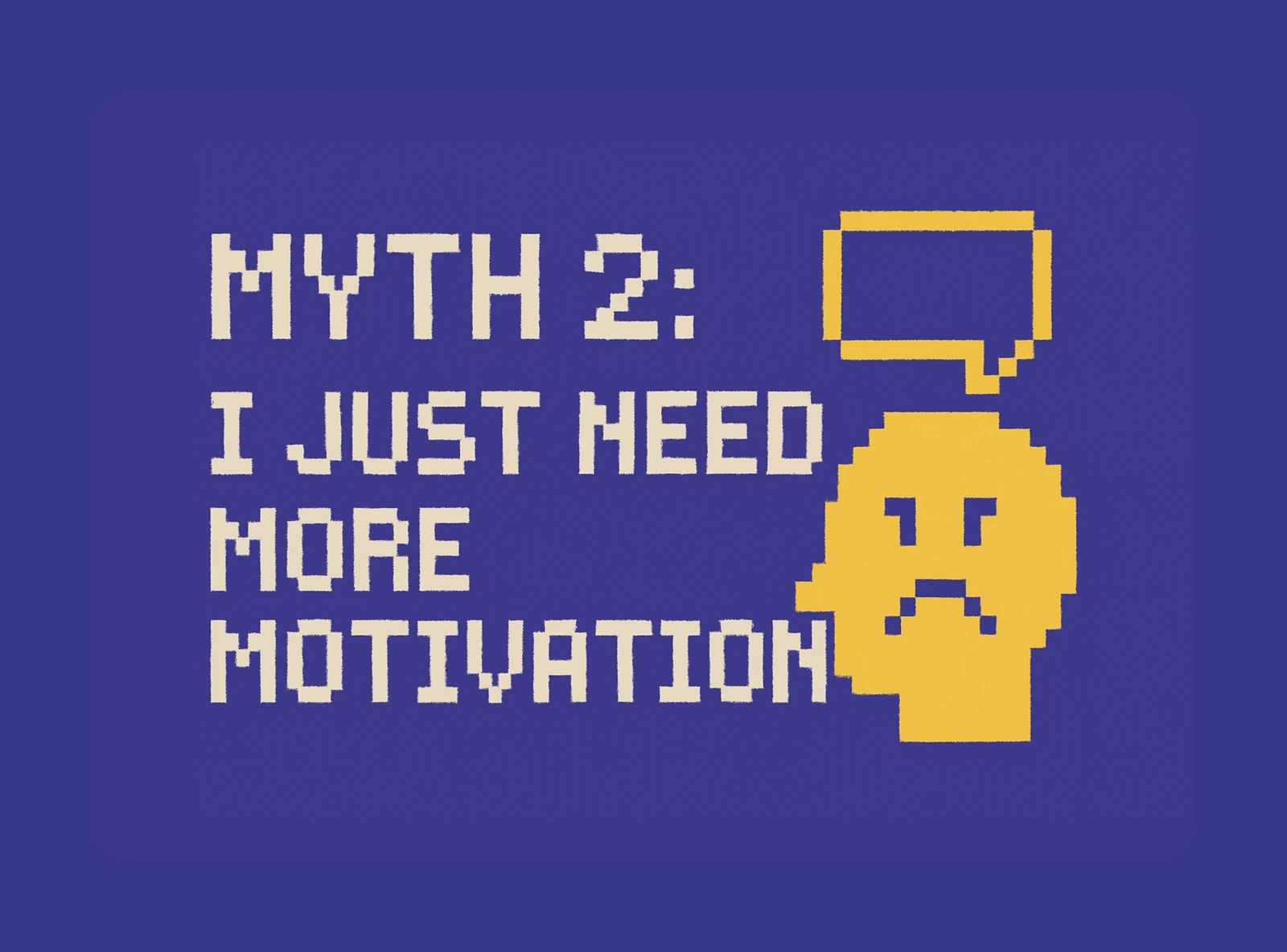
Many people mistakenly believe that they just need more motivation to achieve their goals, but true progress comes from implementing effective systems and plans. By designing your environment and creating specific intentions, you can foster lasting discipline and action, regardless of fluctuating motivation levels.
Habit Formation
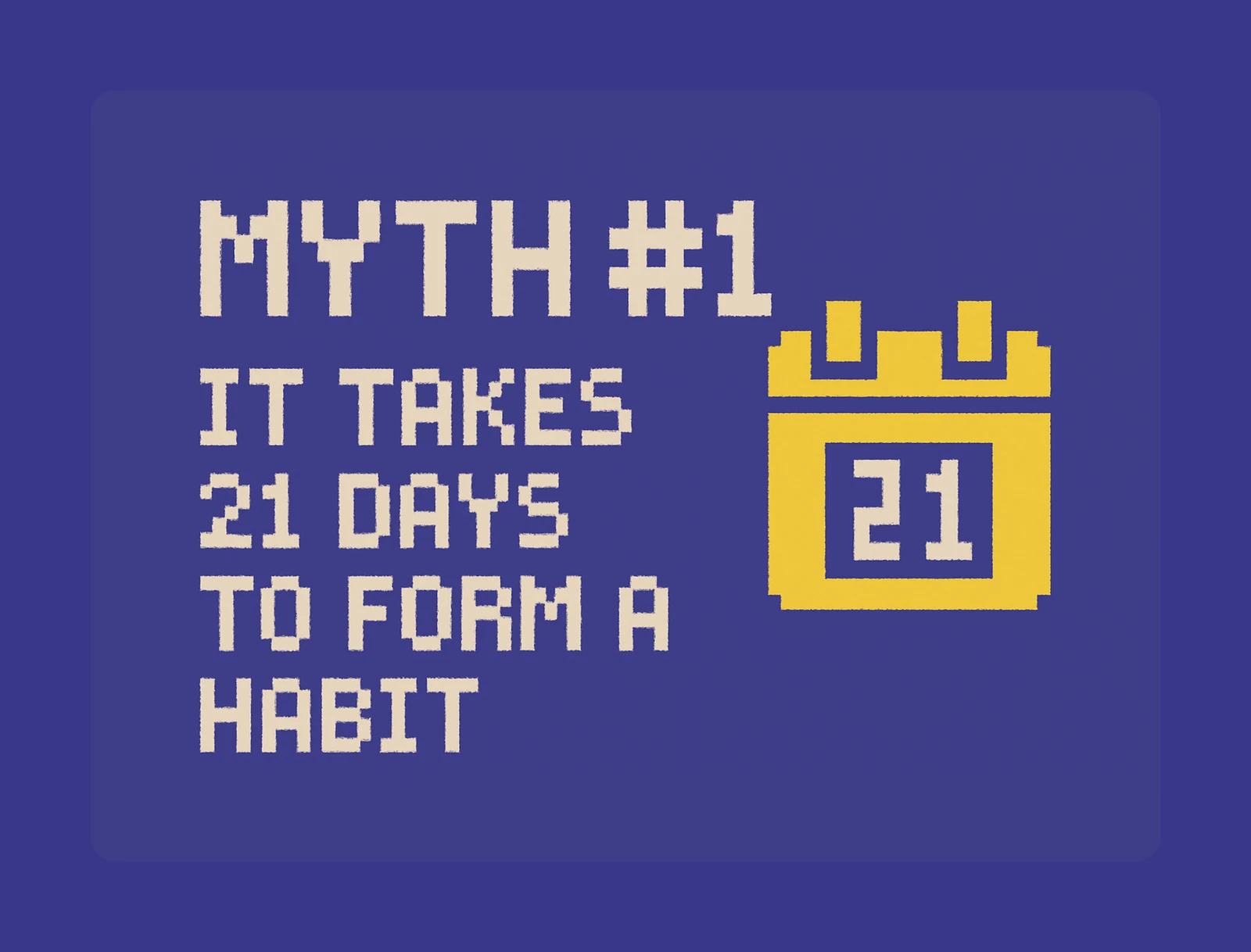
The widely held belief that it takes just 21 days to form a habit is misleading; true habit formation typically requires two to three months or more. Understanding the nuances of habit development can help individuals cultivate lasting changes effectively.
Behavior Change
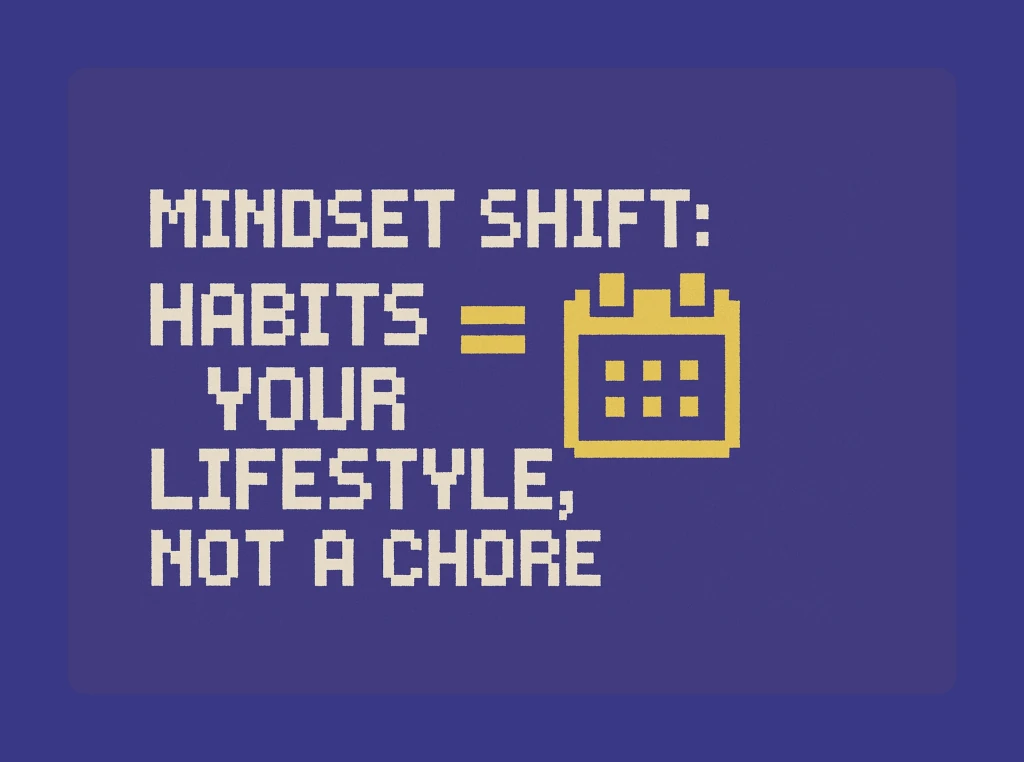
Shifting the perspective on habits from chores to essential components of an ideal lifestyle transforms them into empowering choices. By viewing each small action as a reflection of identity, we create a more fulfilling and intentional life.
Habit Formation
Harness the power of temporal landmarks, like New Year’s Day or birthdays, to boost motivation and successfully initiate new habits. By strategically timing habit formation around these milestones, individuals can create a fresh start that enhances their chances of sticking with their goals.

Behavior Change
Self-control is less about willpower and more about designing an environment that minimizes temptations. By arranging our surroundings thoughtfully, we can make desired behaviors easier and reduce reliance on discipline.

Habit Formation
Understanding our habitual tendencies is crucial, as a significant portion of our daily actions operate on autopilot. By increasing awareness of these habits, we can identify and redesign unhelpful behaviors into positive routines that enhance our productivity and well-being.
Behavior Change
Keystone habits are powerful behaviors that trigger positive chain reactions, significantly impacting various aspects of life. By identifying and cultivating these habits, individuals can unlock substantial improvements in their well-being and productivity.

Habit Formation
The "Never Miss Twice" rule emphasizes the importance of resilience over perfection in habit formation. A single slip-up is natural, but allowing it to become a pattern can lead to the establishment of detrimental habits.

Behavior Change
Immediate rewards are crucial for forming lasting habits, as they provide the necessary dopamine spikes that reinforce behaviors. By pairing less enjoyable tasks with small, instant rewards, individuals can effectively create positive associations and strengthen their habit loops.
Habit Formation
Understanding the role of craving in the habit loop is crucial for effective habit formation, as it provides the necessary motivation to act. By linking positive cravings to new habits and reinforcing them with immediate rewards, individuals can enhance their ability to adopt lasting changes.

Behavior Change
By understanding the five universal triggers that initiate our behaviors—Time, Location, Preceding Event, Emotional State, and Other People—we can effectively redesign our habits. Mastering these cues allows us to gain control over our automatic responses and create healthier routines.
Habit Formation
The Habit Scorecard is an essential tool for auditing daily actions, helping individuals identify habits that support or hinder their goals. By systematically labeling behaviors as positive, neutral, or negative, it empowers users to make informed changes for personal growth.

Behavior Change
Autopilot routines significantly reduce cognitive load, allowing the brain to conserve mental energy for more complex tasks. By establishing automatic habits, individuals can streamline their decision-making processes and enhance overall productivity.
Habit Formation
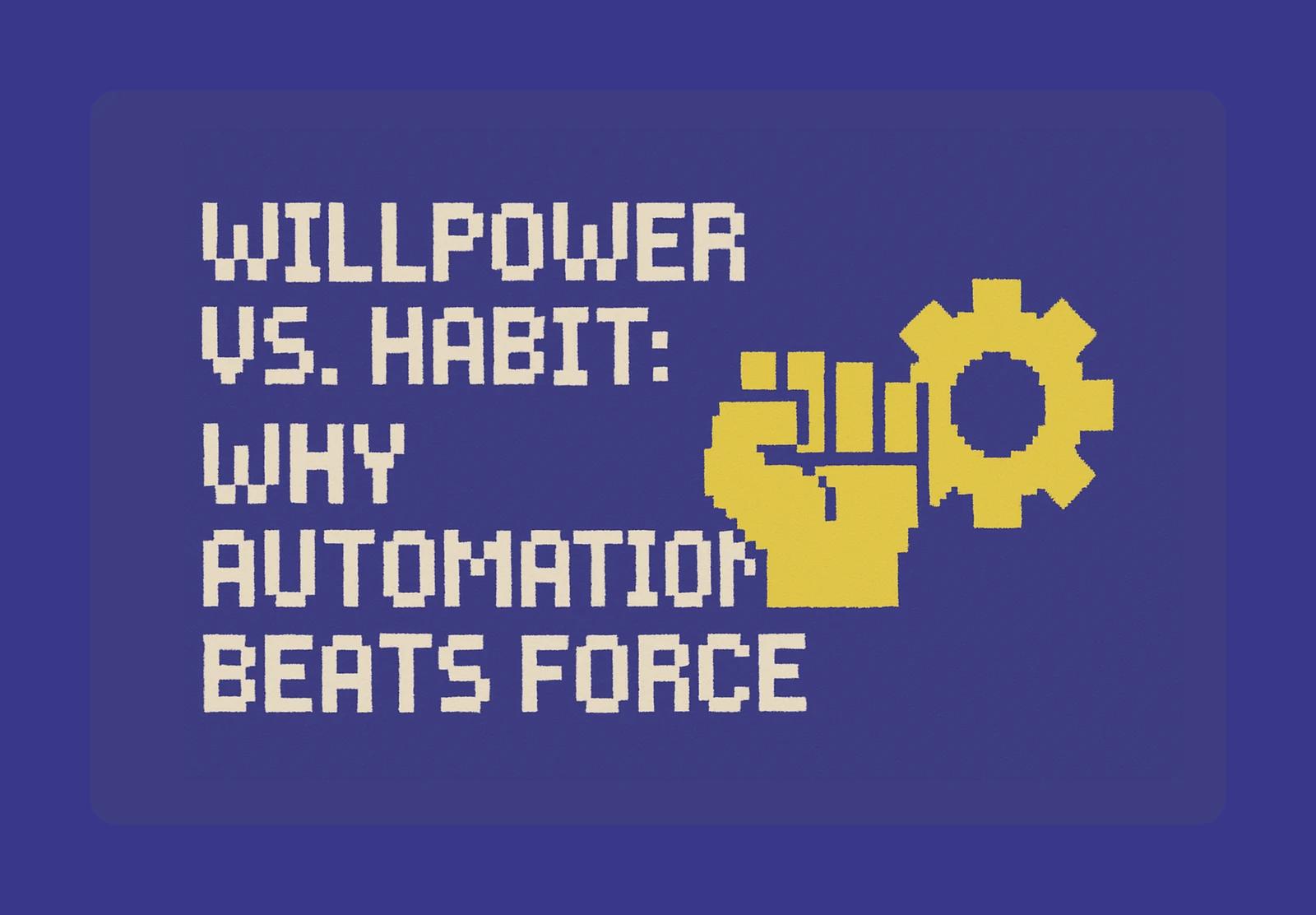
Effective self-control is less about resisting temptations and more about automating beneficial habits that reduce reliance on willpower. By engineering routines around stable cues, individuals can navigate challenges with ease and maintain their goals on autopilot.

Behavior Change
The common belief that it takes 21 days to form a habit is misleading, as research shows it can actually take an average of 66 days or longer. Understanding the variability in habit formation timelines helps set realistic expectations and fosters patience in the process.

Habit Formation
Repetition and consistency are the keys to forming lasting habits, as small daily actions are more effective than infrequent, intense efforts. By focusing on frequency rather than perfection, anyone can wire new behaviors into their routine effortlessly.

Behavior Change
In this overview, I outline the four essential laws of behavior change, emphasizing how to effectively modify habits by manipulating cues, cravings, responses, and rewards. By applying these principles, individuals can create a supportive environment for positive behavior and diminish unwanted routines.
Habit Formation
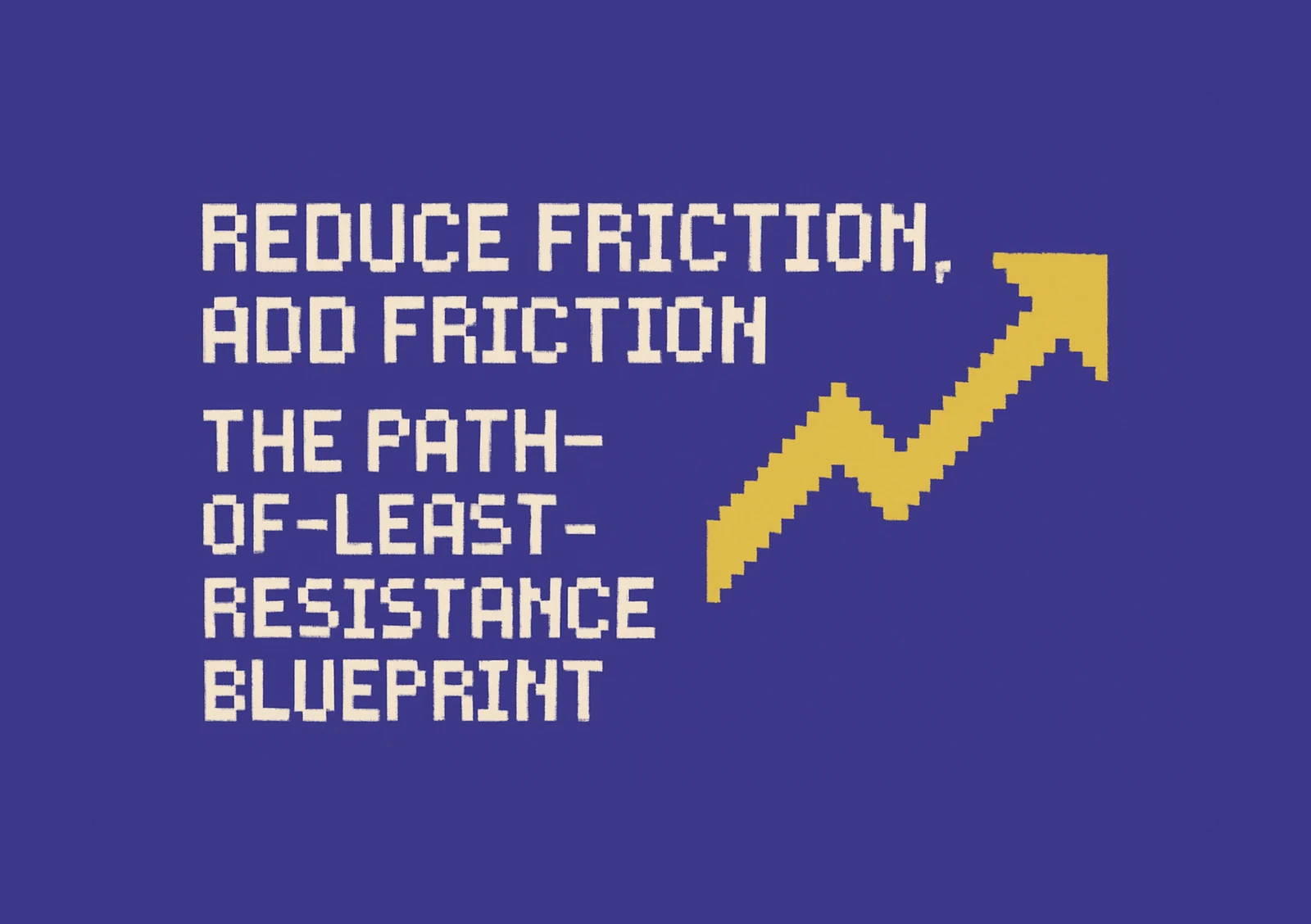
The author emphasizes the importance of managing friction in our habits to facilitate positive behaviors and discourage negative ones. By strategically removing barriers to good habits and adding hurdles to bad ones, individuals can create an environment that naturally guides them toward their desired actions.

Behavior Change
Environment design is crucial in shaping our habits by making good cues obvious and bad cues invisible. By strategically modifying our surroundings, we can create an environment that supports desired behaviors and minimizes temptations.
Habits
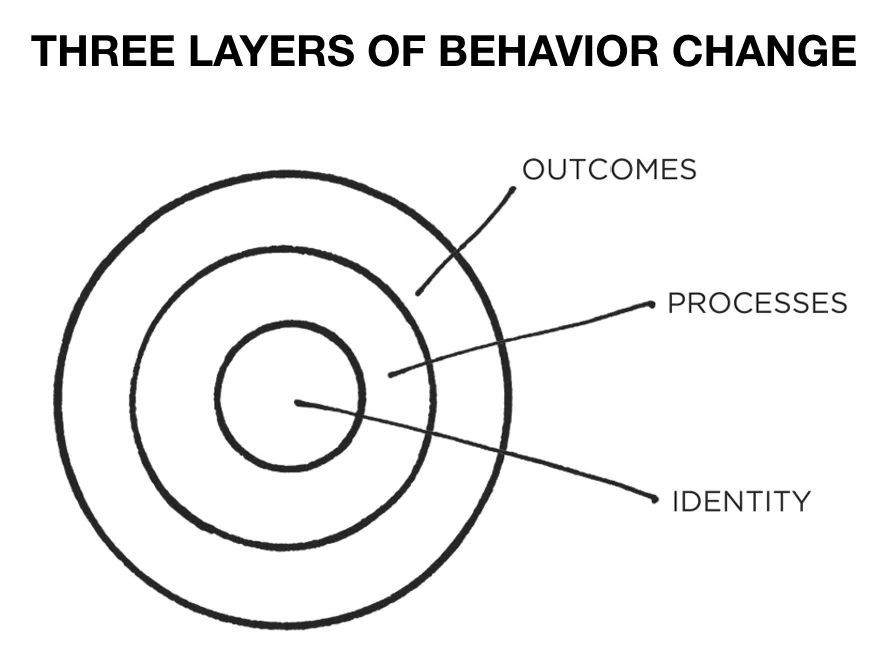
Habits are not just about achieving goals; they are a reflection of our identities. By casting daily "votes" through our actions, we shape who we are becoming and reinforce the identities we value.
Habits
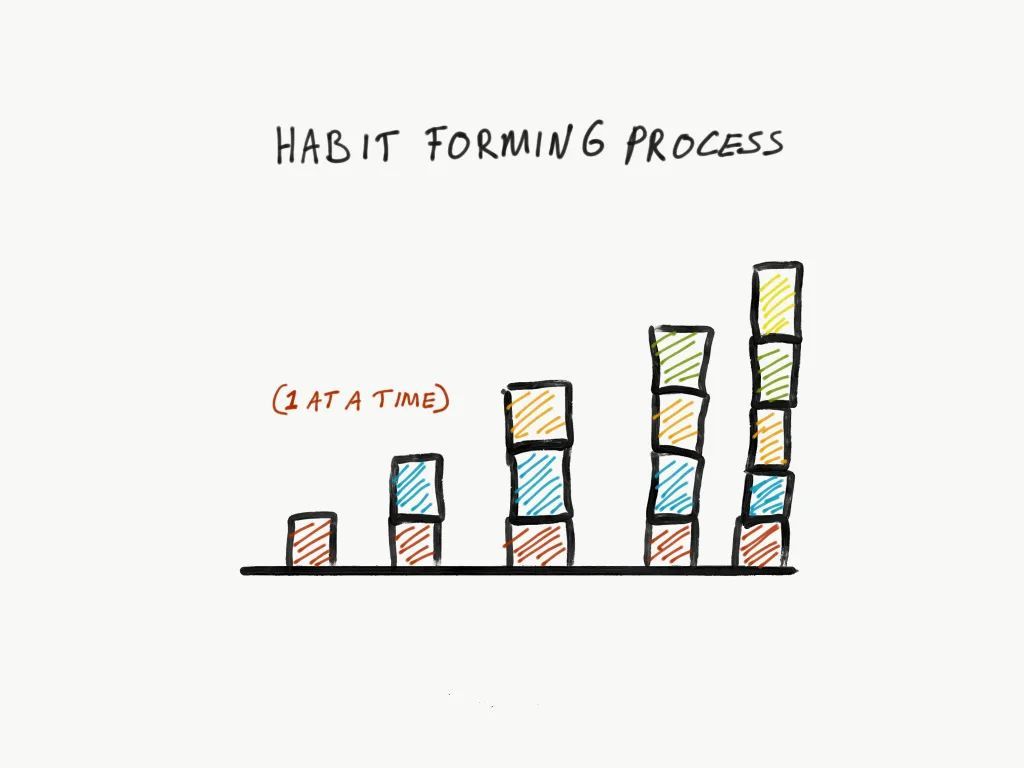
By focusing on making small, incremental improvements each day, individuals can achieve significant growth over time through the power of compounding. Embracing micro-habits allows for sustainable progress without the burnout often associated with drastic changes.

Behavior Change
Understanding that 43% of our daily actions occur automatically can empower us to reshape our habits intentionally. By leveraging the habit loop and employing evidence-based strategies, we can transform mindless behaviors into productive routines that align with our goals.

Habit Pixel turns every check-in into a pixel, so you can watch your consistency grow. Free on iPhone, iPad and Android.


Scan to downloadOpens the App Store or Google Play