Myth 7: “Habit Trackers Are a Gimmick.”
Habit trackers are often dismissed as gimmicks, but they serve as powerful tools for accountability and motivation in habit formation. By making progress visible and providing instant gratification, they transform abstract goals into achievable actions.

The Skeptic’s View
In a world saturated with apps and productivity hacks, it’s easy to be skeptical. Habit trackers—those simple calendars, apps, or journal pages where you mark off your daily accomplishments—are often dismissed as a trendy gimmick. Many believe that the simple act of checking a box is just a form of “performative productivity,” doing little to foster real, lasting change. Why would logging an action make you any more likely to do it?
This skepticism, however, overlooks the powerful psychological mechanisms at play. The reality is that tracking your habit streaks has proven benefits, transforming a simple log into a potent tool for behavior change. Rather than being a gimmick, a habit tracker is a powerful instrument of accountability and motivation.
The Reality: Making Your Progress Visible and Motivating
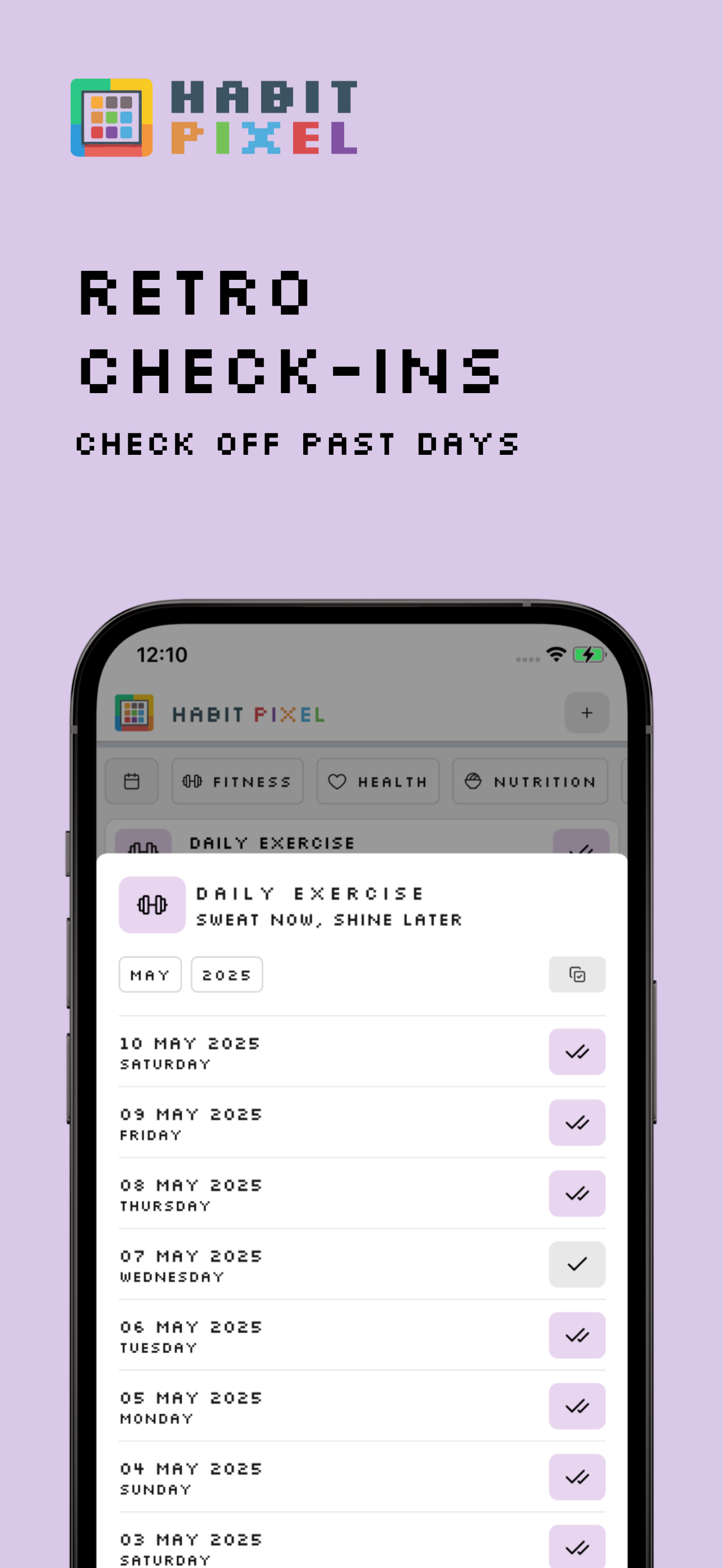
The act of tracking a habit does something crucial: it makes your actions tangible. An abstract goal like “read more” becomes a concrete, measurable action: “Did I read for 15 minutes today? [X]”. This simple act of logging your behavior, as highlighted by researchers at Ness Labs, significantly increases the likelihood that a habit will stick.
A study cited by Ness Labs found that students who used a habit tracker to monitor their study habits not only strengthened the habit over six weeks but also reported better mood and increased focus. This points to a core truth: tracking is not just about the past; it profoundly influences your present and future behavior.
Here’s why it works:
- It Creates Instant Accountability: A blank square in your tracker is a visual cue that you’ve missed a day. This simple, non-judgmental feedback loop creates a sense of accountability to yourself. You are the one who has to check the box, and you are the one who has to leave it empty.
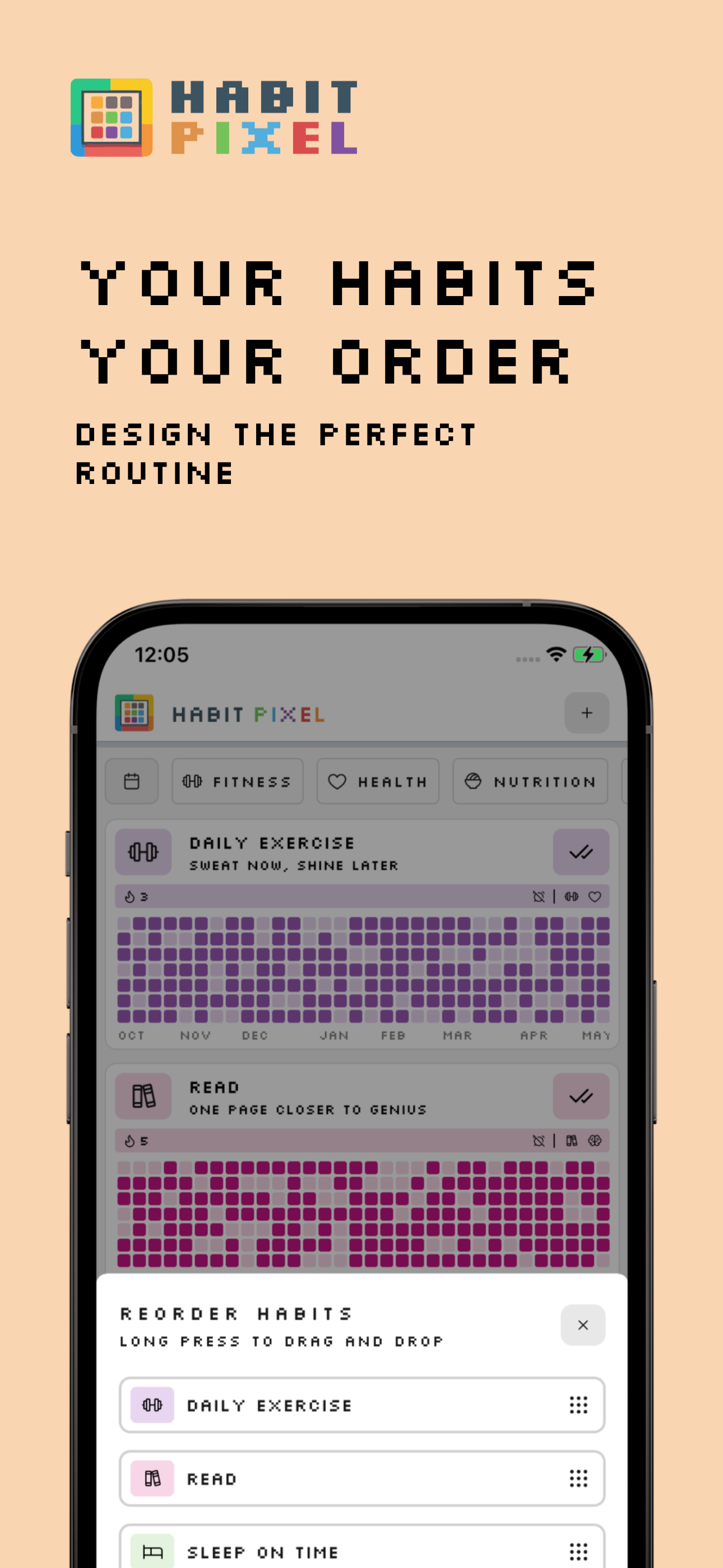
- It Taps Into the Motivation of “The Streak”: As you build a chain of checked boxes, you become more motivated to continue. The longer the streak, the more powerful the motivation. The thought of “breaking the chain” can be a surprisingly strong deterrent to skipping a day, helping you push through moments of low motivation.
- It Provides Immediate Gratification: Habits, especially new ones, often have delayed rewards. You don’t get fit from one workout, or fluent in a language after one lesson. A habit tracker provides a small, immediate dose of satisfaction every time you check off a box. This instant reward helps to keep you engaged while you wait for the long-term benefits to appear.
- It Gathers Data for Improvement: A tracker provides honest feedback. Are you consistently missing your habit on weekends? Is a certain time of day more successful for you? This data allows you to spot patterns and make adjustments to your system, rather than just relying on guesswork.
More Than Just a Checkbox
While the core function is simple, the impact is significant. A habit tracker serves as a visual record of your commitment to yourself. It’s a testament to your effort and a source of pride that builds over time. Each checkmark is a vote for the person you want to become.
So, is a habit tracker a gimmick? Only if you see it as a magic solution. Its power doesn’t lie in the tracker itself, but in how it focuses your attention, holds you accountable, and makes the invisible process of habit formation visible and rewarding.
The Takeaway: Don’t Just Do It, Track It.
If you’re serious about building a new habit, don’t underestimate the power of a simple tracking system. Whether you use a dedicated app, a bullet journal, or a simple calendar, the act of logging your progress can be the critical factor that turns a fleeting intention into a lifelong habit. It’s not a gimmick; it’s a proven strategy for success.

Make it a habit with Habit Pixel
Color a pixel for every check-in and watch your consistency grow. Free on iPhone, iPad and Android.


Scan to downloadOpens the App Store or Google Play